Upgrade Your Exterior Space: Expert Landscape Architecture Assistance
Transforming outdoor spaces is a multifaceted endeavor. Many encounter challenges such as inadequate earth, minimal light exposure, or vague direction for their yard design. Expert design specialists offer custom solutions that address these matters. They bring a wealth of knowledge about local botanical species and sustainable practices. Their competence can make a noticeable difference. What are the essential advantages of hiring these professionals, and how can they transform your landscape experience? The findings may surprise you.
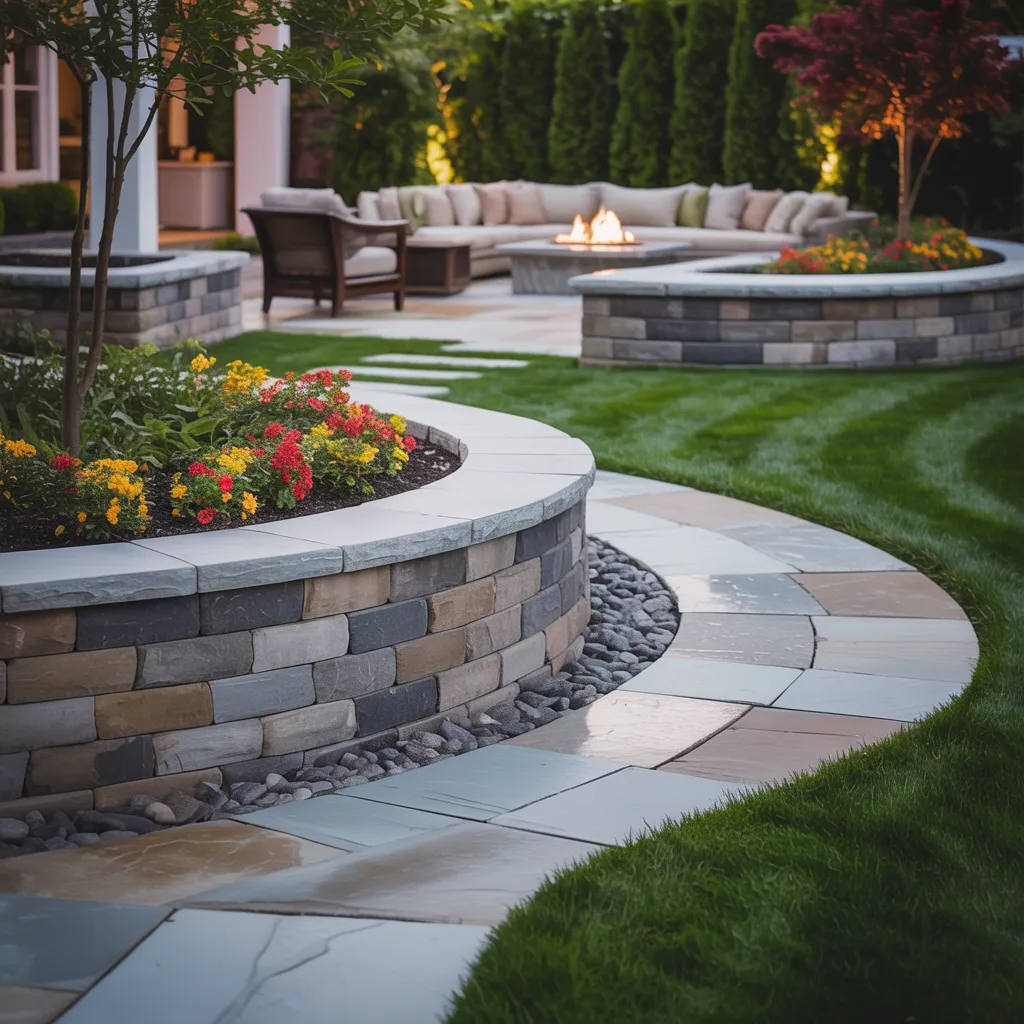
Common Landscape Design Challenges
When commencing landscape design, many face obstacles that can hinder the undertaking. One common problem is insufficient preparation, which can lead to disconnected vision and execution. Homeowners often struggle to juggle aesthetics with practicality, creating spaces that may look appealing but neglect to fulfill their intended function. Additionally, understanding the regional climate and earth composition can pose difficulties; inappropriate plant choices may cause stunted development or upkeep issues.
Budgetary limitations also constitute a substantial hurdle, as many underestimate the costs involved in materials and labor. Schedule coordination becomes critical, with postponements in project schedules often resulting from unforeseen complications. Finally, maneuvering through zoning regulations and laws can introduce another layer of complexity, often necessitating approvals or compliance with particular standards. These obstacles can discourage people, highlighting the importance of a well-structured strategy to landscape design.
Why Engage Skilled Landscape Designers?
Dealing with the complexities of garden design can often burden even the most enthusiastic homeowners. Varied elements, such as plant selection, topography, and irrigation infrastructure, must be synchronized to create a integrated outdoor space. Expert landscape designers retain the schooling and experience crucial to navigate these nuances effectively. They understand the local climate, soil conditions, and native vegetation, verifying the designs are both sustainable and visually stunning.
Additionally, professionals provide a vast range of creative ideas and novel strategies that address individual preferences and personal requirements. They are able to visualize the capacity of a location, converting ordinary yards into stunning landscapes. Collaboration with builders and respect for area rules are further elements where their proficiency proves invaluable. In the end, retaining an expert landscape designer eases the weight of trial and error, letting homeowners to relish a beautifully curated exterior setting customized to their unique vision.
Leading Perks of Employing Professional Landscape Designers
Retaining professional design professionals delivers many advantages that can elevate any exterior area. First, their expertise ensures that concepts are not only visually appealing but also functional, accounting for elements including drainage, sunlight, and plant compatibility. This knowledge helps avoid expensive errors that can occur from DIY efforts.
Furthermore, talented designers furnish links to assets and expertise, including excellent-quality materials and competent professionals, which can optimize the overall quality of the project. They can also present personalized approaches that represent unique tastes while maintaining compliance with local regulations and environmental considerations.
Also, the collaborative effort with a landscape professional allows homeowners to express their vision effectively, producing a unified and balanced landscape. This partnership often generates innovative ideas that homeowners might not have thought about, maximizing the potential of the exterior space. Ultimately, hiring a professional landscape designer transforms an ordinary space into a expertly designed environment.
Innovative Ways to Improve Your Outside Area
Transforming an outdoor space into a lively retreat can be achieved through a variety of creative ideas that address personal tastes and practical needs. Incorporating varied plant species can add texture and color, while living walls maximize space and create a impressive visual impact. Outdoor seating areas can be improved with comfortable furniture, ideal for relaxation or entertaining guests.
Water features, such as fountains or small ponds, create soothing sounds and attract wildlife, enriching the overall atmosphere. Utilizing outdoor lighting strategically can accentuate key elements and prolong usability into the evening.
Using pathways made with sustainable stone or reclaimed materials can guide visitors through the landscape, creating an welcoming atmosphere. Additionally, practical elements like raised garden beds or outdoor kitchens can enhance both aesthetics and practicality, guaranteeing the area is not only visually appealing but also versatile for various uses.
Best Practices for Upkeeping Your Landscape Design
Effective maintenance is crucial for preserving the beauty and functionality of any landscape design. Consistently assessing plants for health is necessary; damaged or unhealthy foliage should be promptly removed to stop further spread. In addition, correct irrigation methods, tailored to the requirements of particular vegetation, can significantly improve growth and vitality.
Mulching controls weeds while conserving soil moisture, rendering it a essential practice. Seasonal pruning encourages healthy growth and maintains desired shapes. Moreover, periodic fertilization supplies important nutrients, guaranteeing that plants succeed throughout the year.
Outdoor landscape elements including walkways and patios should be inspected for damage. Consistent cleaning and repairs can stop decline and improve visual appeal. Finally, monitoring insects and pests and using appropriate interventions can safeguard the landscape's structural integrity. By adopting these tips, homeowners can confirm helpful resource their outdoor environments stay inviting and well-maintained for years ahead.

Frequently Asked Inquiries
How long Does a Standard Landscape Design Project Take?
A typical landscape design project generally lasts two to eight weeks in duration, contingent upon the complexity of the design, environmental conditions, and the availability of materials and labor, securing a comprehensive planning and execution framework.
How Much Do Professional Landscape Design Services Price Typically?
The typical cost for professional landscaping design work generally ranges from $2,000 to $7,000, based on how large the project is, how complex it is, and its location. Variables including labor and material expenses can significantly impact the ultimate cost.
Are Landscape Designers Governed Licensed or Certified Practitioners?
Landscape designers are not commonly mandated to be licensed or certified; however, many prefer to obtain certifications or degrees in landscape architecture, which can advance their reputation and proficiency in the field.
Can I weave original Plants Into the New Design?
Indeed, current vegetation can be incorporated into a fresh design. Skilled landscape designers frequently evaluate existing plants to enhance visual appeal and practical use, guaranteeing that established plants enhance the overall vision of the garden area.
What Criteria Must I Seek out in a Landscape Design Compilation?
When assessing a landscape design portfolio, you should search for creativity, range of design styles, properly incorporated vegetation, thorough consideration of specifics, comprehensive project files, and previous client reviews to measure overall satisfaction and effectiveness.